As the release of Neverness to Everness (NTE) approaches, mastering the economy of the city of Hethereau is essential. The game’s unique approach to its gacha system blends traditional luck with board-game mechanics, offering a refreshing experience for both casual and competitive players.
How the Gacha System Works
NTE steps away from standard "pull" animations. Instead, the gacha system uses an interactive mini-game format:
- The Roll: Players roll dice to move a piece across a digital board.
- The Landing: Your rewards are determined by the specific tiles where your piece stops.
- Immersion: This adds a layer of tactical engagement to the RNG, making every summon feel like a journey through the streets of Hethereau.
Pity Mechanics: No 50/50 Stress
The most player-friendly aspect of this gacha system is its transparency. If you have played other titles in the genre, you'll find the lack of a "coin flip" mechanic a massive relief:
- Guaranteed S-Rank: On limited event banners, hitting an S-Rank guarantees the featured character. There is no risk of losing a "50/50" to an off-banner unit.
- Pull Rates: The base probability for an S-Rank (SSR) character sits around 1.88%, notably higher than industry averages.
- Pity Capping:
- Soft Pity: Starts around the 70th roll, significantly boosting your odds.
- Hard Pity: Capped at 90 rolls, ensuring you obtain the character.
- Persistence: Any progress made on a limited banner carries over to the next event, so your efforts are never wasted.
Essential Currencies & Materials
To navigate the gacha system effectively, you need to recognize the different currencies found in Hethereau:
- Riftcrystals: The premium currency used for high-value items in the shop.
- Annuliths: Converted from Riftcrystals to specifically buy summoning materials.
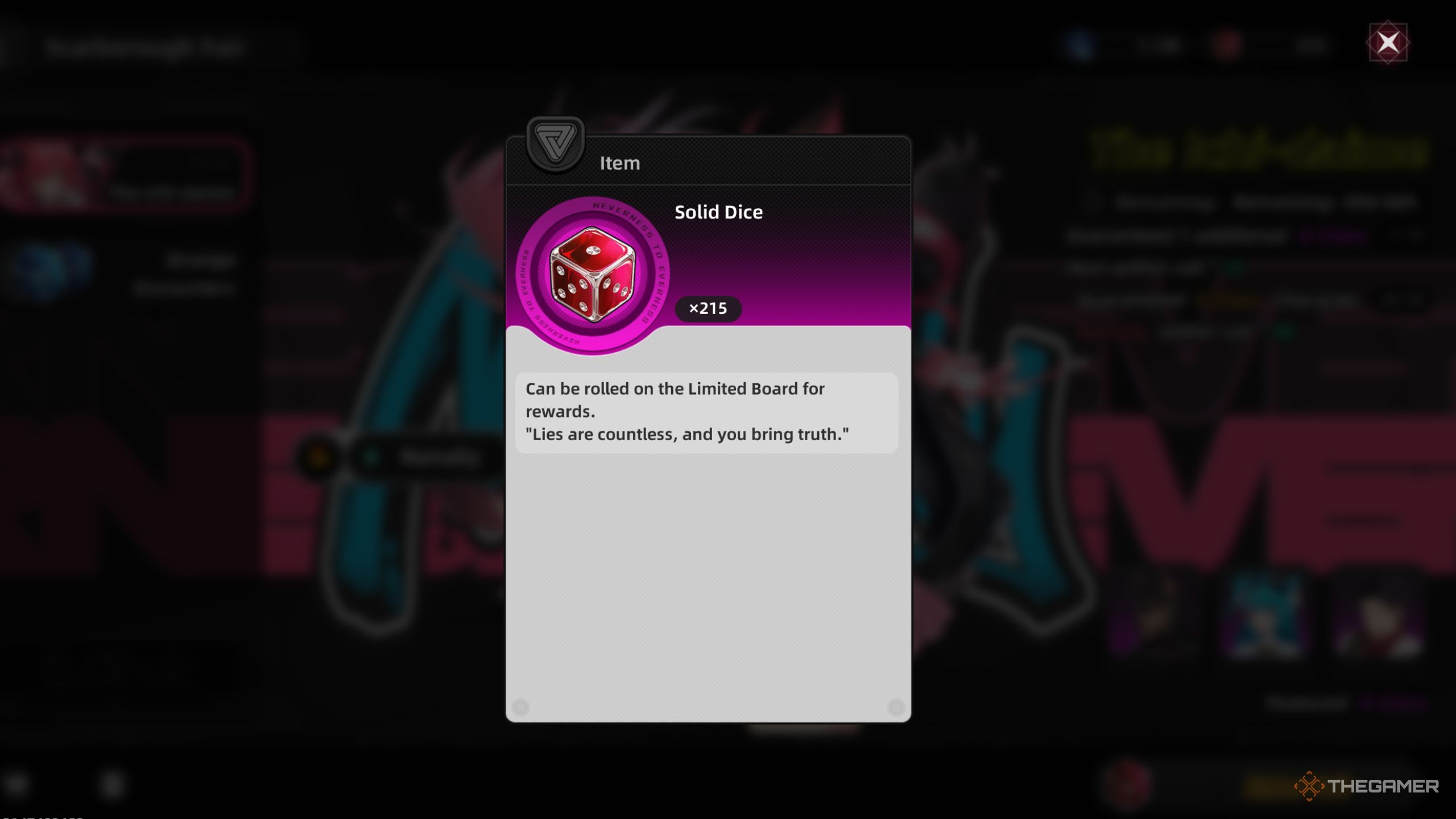
- Solid & Fabricated Dice: The actual "tickets" or pulls required to play the gacha board game.
- Warp Pieces: Earned from duplicate pulls; these can be traded for rare materials or extra dice in the exchange shop.